|
||||||
|
My Citrus Tree verities are below, special thanks to Radica for supplying me with the trees. |
||||||
|
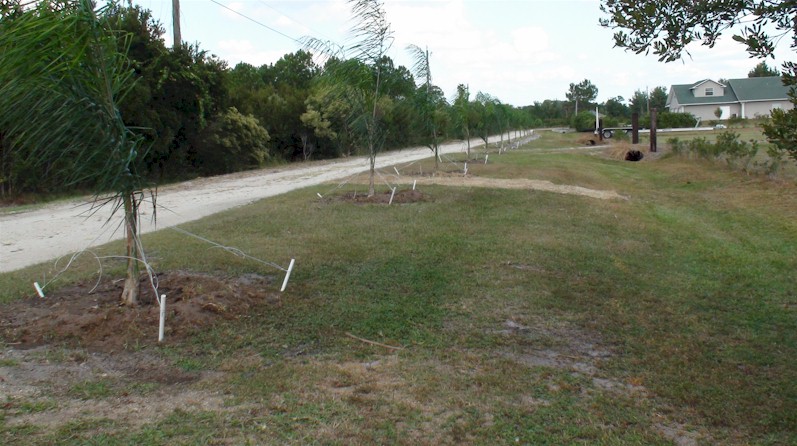
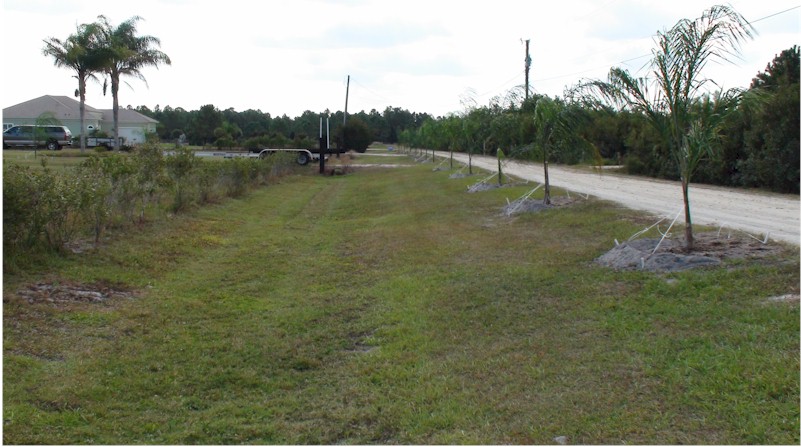
Total of 17 citrus trees Photos taken winter 2009
|
||||||
|
|
||||||
|
|
||||||
 Received
1 on fall of 2009 medium $45.00 Received
1 on fall of 2009 medium $45.003) Marsh grapefruit represent 90 % of Florida production. Marsh varieties are characterized by their excellent flavor that has given Florida grapefruit its worldwide recognition of premium taste. Its low bitterness, a harmonious balance of sugar and acid, and a high concentration of flavor in each juice sac characterize this seedless variety. Typically, Marsh grapefruit bloom in late February, mature in September or October and can be harvested until the following June. |
||||||
 Received
1 in fall of 2009 medium $45.00
replaced in spring of 2010 Received
1 in fall of 2009 medium $45.00
replaced in spring of 20104) Page orange trees are relatively hardy, with dark green foliage and nearly thornless branches. The fruit of the page orange is dark in color, tender, sweet and very juicy. The peels are leathery and vary in texture from rough and pebbly to very smooth, depending on growth conditions. They are easy to peel and good juicing oranges. Page oranges ripen early, and can continue to bear fruit from October to as late as February. |
||||||
 Received
2 in fall of 2009 medium $45.00 Received
2 in fall of 2009 medium $45.005) Valencia Orange Medium to large size, round to oval shape, yellow to orange color (sometimes tinged with green) with a smooth, thin peel. Usually seedless or with only a few seeds. Valencias have orange colored flesh, which is loaded with golden juice of fine rich flavor and aroma. |
||||||
 Received
1 in fall of 2009 medium $45.00 Received
1 in fall of 2009 medium $45.006) Navel Orange Large to extra large, round to oval, deep yellow to orange color. Pebbly, medium thick peel. Usually seedless. Peels and section very easily. |
||||||
 Received
1 in fall of 2009 medium $45.00 Received
1 in fall of 2009 medium $45.007) Red Navel Orange Very sweet; easy to peel and section. Flesh is red-orange and usually seedless. Has more fiber than a serving of raisins. |
||||||
 Received
1 in fall of 2009 medium $45.00 Received
1 in fall of 2009 medium $45.008) Meyers Lemon The Meyer Lemon is a favorite of chefs and gourmets. It is slightly sweeter than the classic commercial varieties (Eureka and Lisbon). Its soft skin develops an orange hue when fruit is fully ripe, and its distinctive, mystical flavor combines lemon with a hint of tangerine. It is easy to grow, compact, and notoriously prolific in its blooming and fruiting. The tree often flowers twice a year, such that both fruit and flowers can be present all year long. What's more, it does not need a lot of heat to ripen the fruit. |
||||||
 Received
1 in fall of 2009 medium $45.00
replaced in spring of 2010 Received
1 in fall of 2009 medium $45.00
replaced in spring of 20109) Persian Lime The Persian Lime, Citrus latifolia Tan, also called the Tahiti lime. The Persian Lime tree is believed to be a hybrid lime, because the pollen is not viable, and thus, tere are no seed, but the lime fruit is extremely juicy and sour. |
||||||
 Received
1 in fall of 2009 medium $45.00 Received
1 in fall of 2009 medium $45.0010) Clementine Mandarin Clementine Mandarins - a healthy citrus treat that's sweet, juicy & easy to peel. Clementine Mandarins are most often eaten out of hand, but they are also used in salads, jellies & fish dishes. |
||||||
|
Received
1 in fall of 2009 medium $45.00 11) Valencia Orange Medium to large size, round to oval shape, yellow to orange color (sometimes tinged with green) with a smooth, thin peel. Usually seedless or with only a few seeds. Valencias have orange colored flesh, which is loaded with golden juice of fine rich flavor and aroma. |
||||||
 Received
1 in fall of 2009 medium $45.00 Received
1 in fall of 2009 medium $45.0012) Minneola Tangelo Sometimes called a "Honeybell" Tangelo. Medium to very large, round to somewhat bell shaped. Deep orange to red-orange color with smooth to pebbly peel. Few seeds in this tangerine-grapefruit hybrid. |
||||||
 Received
1 in fall of 2009 medium $45.00 Received
1 in fall of 2009 medium $45.0013) Satsuma Mandarin Satsuma Mandarins - a healthy citrus treat that's sweet, juicy & easy to peel Satsuma Mandarins are most often eaten out of hand, but they are also used in salads, jellies & fish dishes. |
||||||
 Received
1 in fall of 2009 medium $45.00 Received
1 in fall of 2009 medium $45.0014) Dancy Tangerine Small to medium size, flat, deep orange or red colored fruit with a smooth, but loose peel. A few seeds. Often called the "zipperskin fruit". Has a rich, sweet flavor with a spicy aroma. |
||||||
 Received
1 in fall of 2009 medium $45.00 Received
1 in fall of 2009 medium $45.0015) Orange Ponkan Tangerine The ponkan tangerine is squishy, and its skin is a little loose. The loose skin makes it really easy to peel, which I value in a citrus fruit. The cross-section is good and orangey, both in colour and flavour. It tastes juicy and sweet. |
||||||
 Received
1 in fall of 2009 medium $45.00
cutback and moved in spring 2010 Received
1 in fall of 2009 medium $45.00
cutback and moved in spring 201016) Ruby Red Grapefruit Medium to large size, usually flattened at each end. Smooth yellow peel with areas of pink to red blush. Segments have characteristic pink to reddish tinge. Few seeds. |
||||||
|
Received
1 in fall of 2009 medium $45.00
cutback and moved in spring 2010 17) Page orange trees are relatively hardy, with dark green foliage and nearly thornless branches. The fruit of the page orange is dark in color, tender, sweet and very juicy. The peels are leathery and vary in texture from rough and pebbly to very smooth, depending on growth conditions. They are easy to peel and good juicing oranges. Page oranges ripen early, and can continue to bear fruit from October to as late as February. |
||||||
|
My Fruit Tree
verities are below Total of 36 fruit trees Photos taken spring 2010 |
||||||
|
|
||||||
My Fruit tree verity names are; |
||||||
|
||||||
|
My Exotic Fruit verities
are below |
||||||
The tree is a dwarf, frequently thornless or having short, stout spines; the leaves differ from those of other kumquats in being very thick and rigid and partly folded lengthwise; they are pitted with numerous dark-green oil glands. |
||||||
The tree reaches 9 ft (2.75 m); is otherwise similar to that of 'Nagami' except that it is slightly Painfully controversial, it has some smaller leaves and is considerably more cold-tolerant; bears at the same season. |
||||||
|
Who would guess that this modest little fruit tree has the ability to transform your patio into a fragrant, colorful oasis — or perfume your home deliciously year-round? Ideal for container growth everywhere in the U.S., Nagami is the ultimate potted fruit tree — easy to grow, evergreen, fragrant, and heavy-bearing.The small, oval leaves are evergreen on this well-branched tree, and the bright orange fruit is about 2 to 3 inches long. Very sweet, it makes a good flavoring for sauces, or may be eaten fresh off the branch. Outdoors this tree blooms heavily in spring, while inside it will flower intermittently all year round. The small white blossoms are highly fragrant and very pleasing!Nagami is grafted onto Carrizo Citrange rootstock, and reaches 8 feet tall and 6 feet wide if its container is large enough — in smaller pots, it will remain more restrained. Give it full sun (or bright, direct indoor light) to part shade and plenty of water; fertilize regularly for best flowering and fruiting. It’s just that simple, it can also be espaliered very easily. Hardy only in zones 9-10, but so easy to grow in pots everywhere else! |
||||||
 Haden
Mango 'Haden' was the first
superior mango cultivar selected and named in Florida. The flesh has a
full sweet flavor, and it is of excellent eating quality. The fruit is eye
catching having a deep yellow base with a crimson blush. The tree is a
vigorous large grower with an open rounded canopy. The only problems it
has are disease resistance and a tendency to have “jelly seed”. The fuit
are susceptible to spotting caused by fungus, and they tend to ripen from
the inside out becoming slightly soft around the seed. The Haden remains
an excellent variety for anyone that has the space for a medium to large
tree. The fruit ripens from June to July. Haden
Mango 'Haden' was the first
superior mango cultivar selected and named in Florida. The flesh has a
full sweet flavor, and it is of excellent eating quality. The fruit is eye
catching having a deep yellow base with a crimson blush. The tree is a
vigorous large grower with an open rounded canopy. The only problems it
has are disease resistance and a tendency to have “jelly seed”. The fuit
are susceptible to spotting caused by fungus, and they tend to ripen from
the inside out becoming slightly soft around the seed. The Haden remains
an excellent variety for anyone that has the space for a medium to large
tree. The fruit ripens from June to July. |
||||||
 Keitt Mango
- when you can find it - can be one of the most impressive mango varieties
you'll ever see. Keitt Mango
- when you can find it - can be one of the most impressive mango varieties
you'll ever see.Keitt Mangoes - along with the Kents, are one of the best varieties available in the States. Unfortunately it's also one of the least known. This mango can grow to a stunning size close to that of a foot ball! |
||||||

LilaAvocado Very cold hardy variety.
Produces medium size, green fruit. Season: September-October. Don't
confuse this variety with Lula, which is popular in Florida and used for
rootstock (that one is cold hardy to only 25F). |
||||||
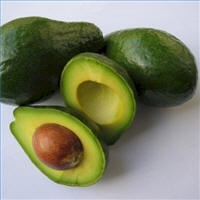 'Winter Mexican' Avocado- Has thin, tender skin. Grows to about 40 feet in about 25 years. Fruits are harvested November through December. There are three types of Avocados: West Indian, Mexican, and
Guatemalan. West Indian avocados have the largest fruit and the fruit is
green and smooth. Mexican avocados have small fruits with purple or black
skin and the foliage has a distinct aroma. Guatemalan avocados have large,
greenish-black fruit that has rough skin. |
||||||
 Received
1 on 10/20/2010 medium $50.00
tropical fruit nursery Received
1 on 10/20/2010 medium $50.00
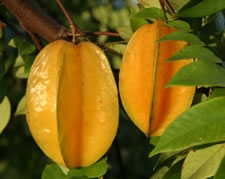
tropical fruit nurserystar fruit fwang tung,This exciting yellow fruit is shaped just like a star when sliced! We carry hybrid varieties that are of excellent quality and are very sweet. They are best eaten fresh. They are also great in jams and as a fruit beverage. A mature starfruit can produce up to 200 lbs. of fruit a year! The attractive, fast growing tree prefers partial to full sun and loves moisture. The tree produces within 2 years (7 gallon sized, within 1 year). All Starfruit are grafted on their own rootstock. Trees will grow to about 35 feet in 20 years. Fwang Tung is crunchy like an apple, large fruited (to 6 inches tall and 4 inches wide). It is semi-sweet and pleasantly mild tasting. Fruits ripen greenish to faintly yellow.
|
||||||
 Papaya,
A latest research
study conducted at the University of Florida, papaya can help in
curing cancer. The report, which was published in the Journal of
Ethnopharmacology, suggests that papaya possesses some anti-cancer
properties. It is actually the papaya's leaf extracts that produces
key molecules called Th1-type Cytokines, reported the University of
Florida News. Papaya,
A latest research
study conducted at the University of Florida, papaya can help in
curing cancer. The report, which was published in the Journal of
Ethnopharmacology, suggests that papaya possesses some anti-cancer
properties. It is actually the papaya's leaf extracts that produces
key molecules called Th1-type Cytokines, reported the University of
Florida News. |
||||||

Received 1 on 10/20/2010 mediuml $50.00 |
||||||
 TANENASHI ASTRINGENT PERSIMMON, TANENASHI ASTRINGENT PERSIMMON,
A rounded tree which is a prolific producer of medium-sized round to cone-shaped orange-red fruits. The flesh is yellow when ripe and very sweet. Great for homeowners with limited space because of a prolonged harvest season. Ripens September into November. Zones 6-10. |
||||||
|
||||||
|
||||||
 American
Persimmon... American
Persimmon...The American Persimmon tree is capable of growing up to 60' tall, often developing a symmetrical, rounded crown. The American Persimmon tree will need a pollinator as the trees are considered either male or female. The American Persimmon produces a large crop of edible fruit but also produces valuable timber and is great for bees and therefore for honey production. In the fall when fully ripe, the fruit of the American Persimmon tree has a soft smooth, jelly-like texture and a honey-like sweetness. In addition to its fruit-bearing potential, the American Persimmon can make an attractive mid-size yard tree. The large drooping leaves give it a soft look, and the dark checkered bark of mature trees provides winter interest. Native Americans loved them, and they are a popular food for wild turkey, mockingbirds, deer, raccoons, foxes, squirrels, and other wildlife. A grouping of several trees can make a good wildlife planting. The tree is tough and adaptable, grows rapidly, and its deep tap root gives it good drought resistance. It can survive in shade, but grows and fruits best in sun. Young trees planted in good soil and a sunny location can begin fruiting in about 6-8 years. zones 6-10. |
||||||
 Appearance- The kiwi
fruit was originated in China
and it was a famous name as the Chinese gooseberry
until New Zealand fruit growers renamed it for their national bird and
begin exporting it. Today, kiwi fruit is also a marketable crop in
California. Kiwi fruit have a weighs about four ounces with 3-inch
long . It has a unique appearance, with
flesh green creamy
and tiny black seeds. It is an exotic fruit that has a
wonderful flavor. It acts as a compact reservoir of vitamin C and in
the present times of the fruits. Appearance- The kiwi
fruit was originated in China
and it was a famous name as the Chinese gooseberry
until New Zealand fruit growers renamed it for their national bird and
begin exporting it. Today, kiwi fruit is also a marketable crop in
California. Kiwi fruit have a weighs about four ounces with 3-inch
long . It has a unique appearance, with
flesh green creamy
and tiny black seeds. It is an exotic fruit that has a
wonderful flavor. It acts as a compact reservoir of vitamin C and in
the present times of the fruits.Taste-The taste of kiwi fruit, which varies from sweet to sharp, has been compared with a mixture of other fruits, such like as strawberries, nectarines, and melons.It is so sweat to taste the fruit.Kiwi fruit blends well with other fruits and makes a striking decorate, but it is also highly satisfying to eaten on its own .it is higher in vitamin C than most fruits and is a good source of potassium.For the sweetest, fullest flavour, choose plump, odorous kiwi fruit that yield to gentle pressure, like ripe peaches. Unripe fruit has a hard core and a tart, harsh taste. If only firm kiwis are available in the place, ripen them for a few days before eating them. Reject dried-up or mushy fruits, or those with bruises or wet spots. Look- The fruit have a oval shape, ovoid or oblong fruit is upto 2-1/2 inches long, with russet-brown skin thickly covered with short fruits, stiff brown hairs. The fruits are flesh and solid until the fruit fully ripe, is shiny,it looks like bright green or sometimes yellow, brownish or off-white, excepting for the white, juicy center from which radiate many fine, pale lines. From these lines are scattered for a minute dark-purple or nearly black seeds, unnoticeable in eating. The flavor is sweet to acid, like that of the gooseberry with a suggestion of strawberry |
||||||
 About
Anna Hardy Kiwi... About
Anna Hardy Kiwi... Anna Hardy Kiwi is among the best and largest of the Arctic Kiwis. The fruits have a tangy, sweet, pineapple-like flavor. The skin has a red blush and the flesh of the kiwi is a beautiful emerald green. Anna Hardy Kiwi is an extremely vigorous kiwi female plant, and may produce more than 100 pounds of delicious kiwi fruits after 3 to 4 years of age. A pollinator is required with the Anna Hardy Kiwi. The Anna Kiwi is also very ornamental with red leaf stems. This kiwi is cold hardy to -25 degrees Fahrenheit. It grows in zones 5-9b. |
||||||

Pomegranate Wonderful,
Pomegranates are tops, lots of fruit, little work, 
Taste-There is
pomegranate juice, vodka, salad dressing, ice cream, |
||||||
|
||||||
|
||||||
 Barbados Cherry (Acerola) Small, bright red, berry-sized
fruit with a vitamin C content up to 65 times
that of an orange. A single fruit contains the minimum daily
recommended vitamin C requirements. Fruit resembles the
common cherry, with a very tasty sweet flavor having a slight bite
of acid. Barbados Cherry (Acerola) Small, bright red, berry-sized
fruit with a vitamin C content up to 65 times
that of an orange. A single fruit contains the minimum daily
recommended vitamin C requirements. Fruit resembles the
common cherry, with a very tasty sweet flavor having a slight bite
of acid.Uses: Eaten fresh or juiced for drinks. Commonly used in parts of South America to flavor ice creams, drinks, and cocktails. Acerola's are used in many commercial vitamins and nutritional products, mainly for their vitamin C content. see also: nutrition facts |
||||||
 Rio
Grande cherry
is a
native of Brazil. It is a small evergreen tree or large shrub which
commonly grows to about 15 feet. However, it may grow as high as 30 feet
under favorable conditions. It has an upright, compact habit of growth
and is very attractive, especially when in bloom. The smooth, glossy,
dark green leaves are narrow elliptic, 2½ to 3 inches long and are borne
on short, grooved petioles. The white flowers are solitary and are borne
in the axils of opposite bracts from March to May. The fruit is oblong
to obovate, ¾ to 1 inch long, with a persistent calyx at the apex. The
skin is thin and dark red or purple in color. The juicy flesh has a
good, subacid flavor. It contains none or 1 to 2 white, rounded seeds,
about ¼ inch in diameter. The fruit matures in April to June, about 3
weeks after the flowers open. Fruiting may occur in the third year after
planting under favorable conditions but it often takes longer. The
fruits are eaten fresh. These are also processed into a jelly which is
greatly appreciated. Rio
Grande cherry
is a
native of Brazil. It is a small evergreen tree or large shrub which
commonly grows to about 15 feet. However, it may grow as high as 30 feet
under favorable conditions. It has an upright, compact habit of growth
and is very attractive, especially when in bloom. The smooth, glossy,
dark green leaves are narrow elliptic, 2½ to 3 inches long and are borne
on short, grooved petioles. The white flowers are solitary and are borne
in the axils of opposite bracts from March to May. The fruit is oblong
to obovate, ¾ to 1 inch long, with a persistent calyx at the apex. The
skin is thin and dark red or purple in color. The juicy flesh has a
good, subacid flavor. It contains none or 1 to 2 white, rounded seeds,
about ¼ inch in diameter. The fruit matures in April to June, about 3
weeks after the flowers open. Fruiting may occur in the third year after
planting under favorable conditions but it often takes longer. The
fruits are eaten fresh. These are also processed into a jelly which is
greatly appreciated. |
||||||

Received 1 on 10/20/2010 small $15.00
Not sure what kind??? Propagation is difficult through cuttings and is most often done by seeds. Fruits contain as few as one, and in rare cases, as many as 10 dark or light brown angular seeds. The fruit’s skin is thin, and when ripe enough, can be peeled away with bare hands. The fruit has a high sugar and pectin content, similar to apples. The pips and young leaves of the Loquat tree are slightly poisonous. Cyanogenic glycocides release a low concentration of cyanide when digested. Comments: The fruit tastes like a combination of peach and apricot. They are most often eaten fresh, in jellies and in wines. The trees will begin fruiting at just one to two years of age. Zones 7-10 |
||||||
 Advance
Loquat, Japanese Plum Advance
Loquat, Japanese PlumA great choice for a mid-season variety. Large, spreading tree bears medium-sized, rounded fruit. White flesh is sweet and juicy. Pollinate with other loquat variety. Zones 7-10 |
||||||
|
|
||||||
 Gold
Nugget Loquat, Japanese Plum Gold
Nugget Loquat, Japanese Plum A very popular, late-season loquat. The Gold Nugget is large, round to oblong fruit with yellowish orange skin. The firm orange flesh is juicy, sweet, and somewhat reminiscent of apricot. The tree is self-fertile and bears abundant crops in April.
|
||||||
 Mc
Beth Loquat, Japanese Plum Mc
Beth Loquat, Japanese PlumAn early-season variety that originated in southern California. Very large, teardrop-shaped fruit has few seeds. Flesh is sweet, flavorful and juicy. Self-fertile. Zones 7-10 |
||||||
|
||||||
|
||||||
Received 1 on 10/20/2010 small $10.00 |
||||||
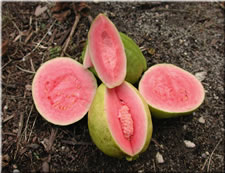
 Guava
large white
Delicious guava is true to type from seed. White-fleshed fruit grows
to 3-6 ounces. Sweet, aromatic flesh has a true guava flavor.
Attractive tree is self-fertile Guava
large white
Delicious guava is true to type from seed. White-fleshed fruit grows
to 3-6 ounces. Sweet, aromatic flesh has a true guava flavor.
Attractive tree is self-fertile |
||||||
 Beaumont
Red Guava Grafted Cultivars Beaumont
Red Guava Grafted CultivarsThe #1 commercial variety in Hawaii. Large, rounded fruits grow to 1 or 2 pounds. Sweet, flavorful flesh is used fresh, canned, or in juice. Heavy-bearing tree is self-fertile. |
||||||
|
China
White Guava Grafted Cultivars An excellent choice for backyard use. Very large, yellow-green, flavorful fruit has sweet, aromatic, white flesh. Can be eaten before fully ripe. Heavy-bearing tree is self-fertile. |
||||||
 Mexican
Cream Guava Grafted Cultivars Mexican
Cream Guava Grafted CultivarsA tasty variety from Central America. Bears clusters of small to medium-sized fruit. Yellow fruit has cream-colored, spicy, aromatic flesh. Self-fertile. |
||||||
 White
Indian Guava Grafted Cultivars White
Indian Guava Grafted CultivarsA popular white guava variety. Large, sweet, crunchy fruit grows to 1lb., and can be eaten before fully ripe. Smaller-sized tree is an excellent choice for backyard use. Self-fertile. |
||||||
 About
Hong Kong Guava Tree...The Hong Kong Guava features a large, round fruit which can get
between 6 to 8 ounces in weight. The fruit has a smooth pink exterior,
with a sweet flavor, and very few seeds inside. The Hong Kong Guava
tree, which was created in Hawaii from a seed grown guava in Hong Kong,
is high yielding and spreads outwards in growth habit.
zones 9-10 About
Hong Kong Guava Tree...The Hong Kong Guava features a large, round fruit which can get
between 6 to 8 ounces in weight. The fruit has a smooth pink exterior,
with a sweet flavor, and very few seeds inside. The Hong Kong Guava
tree, which was created in Hawaii from a seed grown guava in Hong Kong,
is high yielding and spreads outwards in growth habit.
zones 9-10 |
||||||
|
||||||
|
||||||
 The
Paw Paw is a true native American fruit
tree indigenous to the entire eastern half of America, from Texas to the
Great Lakes and down the east coast to Florida. The Paw Paw is rarely
seen and hardly known by recent generations, but was a household name
for the pre-baby boomer generations. Many old and now forgotten folk
songs were sang praising the Paw Paw. Being the largest edible fruit
native to America, the Paw Paw is worth singing about and has found some
resurgent interest in the past 20 years. The
Paw Paw is a true native American fruit
tree indigenous to the entire eastern half of America, from Texas to the
Great Lakes and down the east coast to Florida. The Paw Paw is rarely
seen and hardly known by recent generations, but was a household name
for the pre-baby boomer generations. Many old and now forgotten folk
songs were sang praising the Paw Paw. Being the largest edible fruit
native to America, the Paw Paw is worth singing about and has found some
resurgent interest in the past 20 years.The fruit starts out green and in the oblong shape of a mango. It grows 3-6 inches long and ripens into a golden-brown with black splotches. It ripens from mid-August to October and should be soft enough to come off the tree with a gentle squeeze. The ripe Paw Paw will have a pronounced perfumed fragrance. The highly nutritious flesh will have a consistency of custard and a unique flavor, resembling a vanilla banana blend. The Paw Paw tree requires two for good pollination and heavy fruit set. It also requires approximately 400 chill hours to set fruit. The Paw Paw tree is small and handsome addition to an edible landscape. The Paw Paw tree is an understory tree in the forest and prefers to be planted in partial sun. Zone 5-9 |
||||||
|
||||||

Tropic
Gold Apricot Tree...
|
||||||
|
||||||
|
||||||

BROWN TURKEY fig, Old-fashion fig that's the standard most folks grew up
eating. Large, rich purplish-brown fruit with strawberry-pink center. Very
popular in the South because of its dependable crops. Ripens late July to
mid August. Zones 7-10 |
||||||
 CELESTE
fig, Known as the "sugar fig", Celeste produces medium sized
fruit with light brown to violet skin, and strawberry pink flesh. One of
the best varieties for drying and preserves. Tight eye resists rots.
Ripens mid July to mid August. Zones 7-10. CELESTE
fig, Known as the "sugar fig", Celeste produces medium sized
fruit with light brown to violet skin, and strawberry pink flesh. One of
the best varieties for drying and preserves. Tight eye resists rots.
Ripens mid July to mid August. Zones 7-10.
|
||||||
|
||||||
|
||||||
|
||||||
|
||||||
 About
Texas Everbearing Fig Tree...The Texas Everbearing Fig Tree is a medium-sized, bell shaped,
brownish-yellow fig tree with very sweet amber flesh. It is most
commonly grown variety in Texas but will tolerate colder areas. This
young bearing vigorous tree produces an early crop in May with the main
crop ripening in late June and continues to ripen into August. The Texas
Everbearing Fig Tree produces a delicious, nearly seedless, fig on a
large bushy tree. zones 7-10 About
Texas Everbearing Fig Tree...The Texas Everbearing Fig Tree is a medium-sized, bell shaped,
brownish-yellow fig tree with very sweet amber flesh. It is most
commonly grown variety in Texas but will tolerate colder areas. This
young bearing vigorous tree produces an early crop in May with the main
crop ripening in late June and continues to ripen into August. The Texas
Everbearing Fig Tree produces a delicious, nearly seedless, fig on a
large bushy tree. zones 7-10 |
||||||
|
||||||
|
||||||
|
||||||
|
||||||
|
||||||
|
||||||
|
||||||
|
||||||
|
||||||
|
||||||
|
||||||
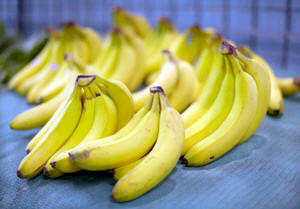
| PINEAPPLE Finger banana, Grows 8-12 ft., with thin-skinned, 5-inch long fruit. Has a distinctive pineapple flavor. Very unusual. And an offshoot of Raja Puri that fruits readily. Zones 8A-10. | ||||||
|
||||||
 RAJA PURI
banana, If you only want one variety of
banana, get this one. It is the strongest, and easiest to fruit. This
native of India rarely exceeds 8 feet in height. The tough trunks are
wind and disease resistant. Hands of bananas are large, 30 to 40 pounds,
and each fruit is 5-6 inches. The flavor is excellent. Its dwarf size
make it an excellent container plant for colder climates. Zones 8A-10.
$29.99 3 gal (4-5ft). RAJA PURI
banana, If you only want one variety of
banana, get this one. It is the strongest, and easiest to fruit. This
native of India rarely exceeds 8 feet in height. The tough trunks are
wind and disease resistant. Hands of bananas are large, 30 to 40 pounds,
and each fruit is 5-6 inches. The flavor is excellent. Its dwarf size
make it an excellent container plant for colder climates. Zones 8A-10.
$29.99 3 gal (4-5ft).
Raja Puri Banana Plant... |
||||||
| BELLA banana, Tall, vigorously growing tree (to 15-20' high) is reputed to be wind resistant and relatively cold tolerant as well. Grows the first year, preferring full sun, and fruits the second, with large, good quality bananas with an orange interior. Juvenile foliage is often highly colored. Quickly gives a luxuriously tropical look to the landscape whether or not it fruits Zones 8B-10. | ||||||
 THOUSAND FINGERS banana,
As the name implies, this variety will produce as many as 1000 bananas.
This plant only produces female flowers and will continue to produce
fruit until the stalk reaches the ground. The fruit is small, with a
sweet pleasant flavor. Zones 8B-10. THOUSAND FINGERS banana,
As the name implies, this variety will produce as many as 1000 bananas.
This plant only produces female flowers and will continue to produce
fruit until the stalk reaches the ground. The fruit is small, with a
sweet pleasant flavor. Zones 8B-10. |


 Received
1 in fall of 2009 medium $45.00
Received
1 in fall of 2009 medium $45.00


 Received
1 on 10/20/2010 medium $50.00
Received
1 on 10/20/2010 medium $50.00


 Big
Jim Loquat, Japanese Plum
Big
Jim Loquat, Japanese Plum 


 G
G